Hokkaido University Cafeterias and Restaurants Around Sapporo Campus
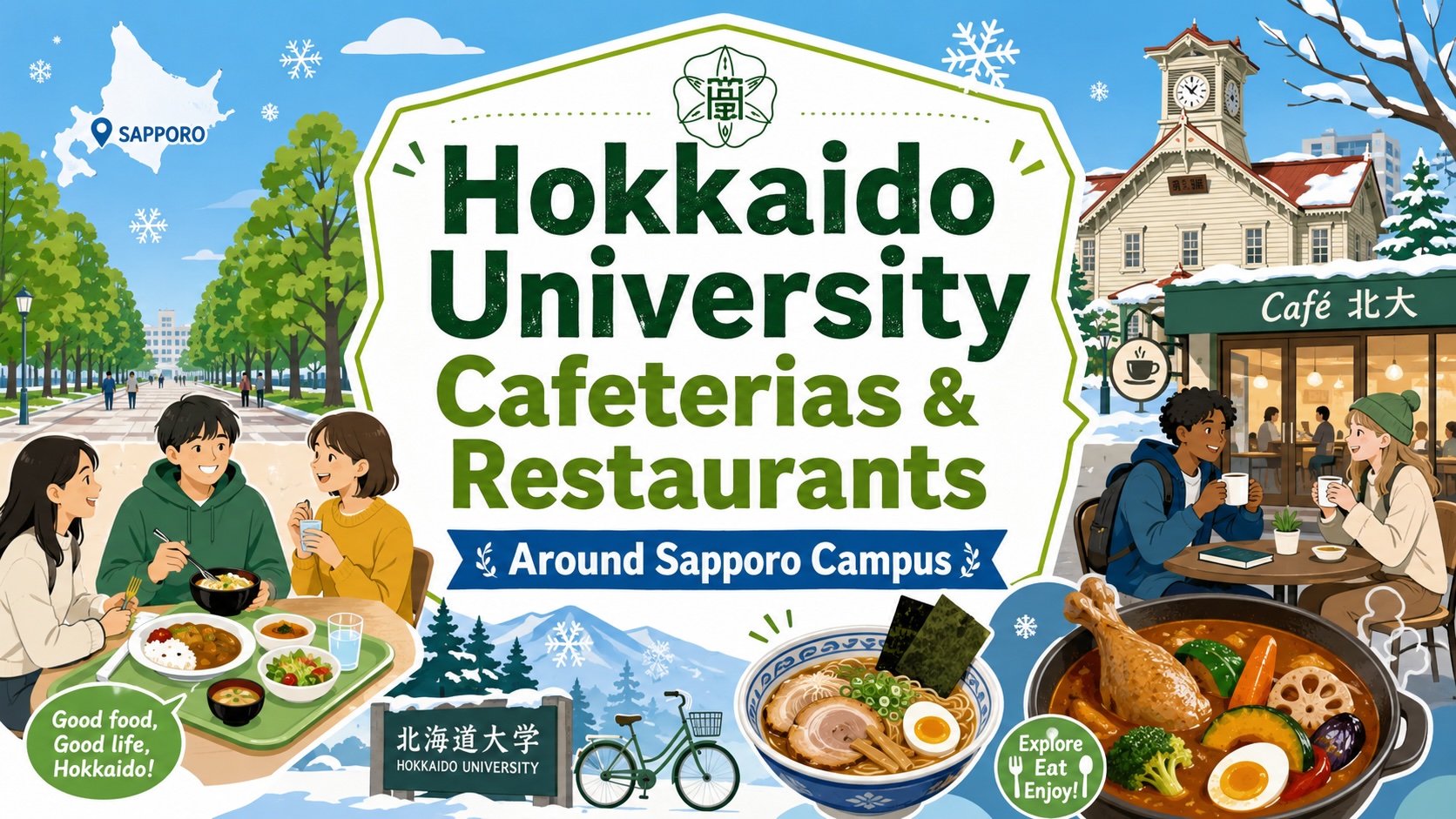
Hokkaido University is one of the easiest Japanese campuses for students to imagine as a place to live. The Sapporo campus is spacious and green, yet close to Sapporo Station, which means campus cafeterias and city food culture are both part of normal student life.
Quick summary
- Hokkaido University combines a large, walkable campus with easy access to Sapporo Station and central city dining.
- Campus dining and co-op cafeterias are useful for routine meals, especially during cold or busy periods.
- Sapporo’s food identity—ramen, soup curry, seafood, dairy, and cafés—makes weekend exploration easy.
- Winter changes food routines because students may prefer indoor, close, and predictable meal options.
- International students should build separate lists for weekday lunch, winter backup meals, and places to take visitors.
This is an independent student food guide
This article is an independent guide for international students and visitors who want to understand everyday food life around Hokkaido University. It is not an official university or restaurant ranking page.
Opening hours, menus, and special events change by season and academic calendar. Check current information from Hokkaido University and Hokkaido University Co-op before relying on a specific facility.
Sapporo campus: green, central, and practical
Hokkaido University’s Sapporo campus is unusual because it feels spacious and green while remaining close to the center of a major city. This makes food life easier than at many remote campuses. Students can use campus cafeterias for normal weekdays and reach Sapporo Station or Odori for wider choices.
The campus is large enough that location still matters. A student in one building may use a different cafeteria or shop from a student in another area. In winter, even a short walk can feel longer, so it is useful to know the nearest warm indoor meal option.
Campus cafeterias and everyday meals
Campus dining is important for predictable student life. A typical routine might include cafeteria lunch, a convenience-store snack, and dinner near home or Sapporo Station. For graduate students, the best cafeteria is often simply the one closest to the lab or seminar room.
Co-op food services may include regular meals, seasonal fairs, menu and nutrition information, and student-oriented pricing. These features are especially useful for students who want to control cost and nutrition during long research periods.
Sapporo food culture around campus
Sapporo is one of Japan’s strongest food cities. Students quickly encounter ramen, soup curry, seafood bowls, dairy sweets, bakery cafés, and izakaya-style casual restaurants. The campus location makes it possible to enjoy these without turning every meal into a long trip.
For international students, Sapporo Station is a practical reference point. It offers train access, shopping centers, restaurant floors, cafés, and supermarkets. A student who learns the route between campus, station, and housing will have a much easier daily food routine.
Winter changes the meaning of “near campus”
Food planning in Sapporo is seasonal. In spring and autumn, students may enjoy walking across campus or exploring nearby cafés. In winter, snow and cold make warm, indoor, nearby options much more important.
This is why students should learn winter backup meals: a cafeteria that is open, a convenience store near the lab, a restaurant close to the station, and a supermarket near home. These ordinary choices make winter student life much smoother.
How to enjoy Hokkaido University food life
Hokkaido University food life is attractive because it offers both campus stability and Sapporo variety. Cafeterias support routine study days, while the city provides strong local food culture.
The best student strategy is simple: use campus dining for regular life, Sapporo Station for practical variety, and local Hokkaido food for weekends, visitors, and recovery after long study weeks.
Useful sources
- Restaurants/Dining, Hokkaido University
- Hokkaido University Co-op Cafeteria Information
- HOKKAIDO LOVE! Official Tourism Site
- Hokkaido University Co-op Store, Sapporo Campus
Read next