Graduate School in Japan: What International Students Should Know
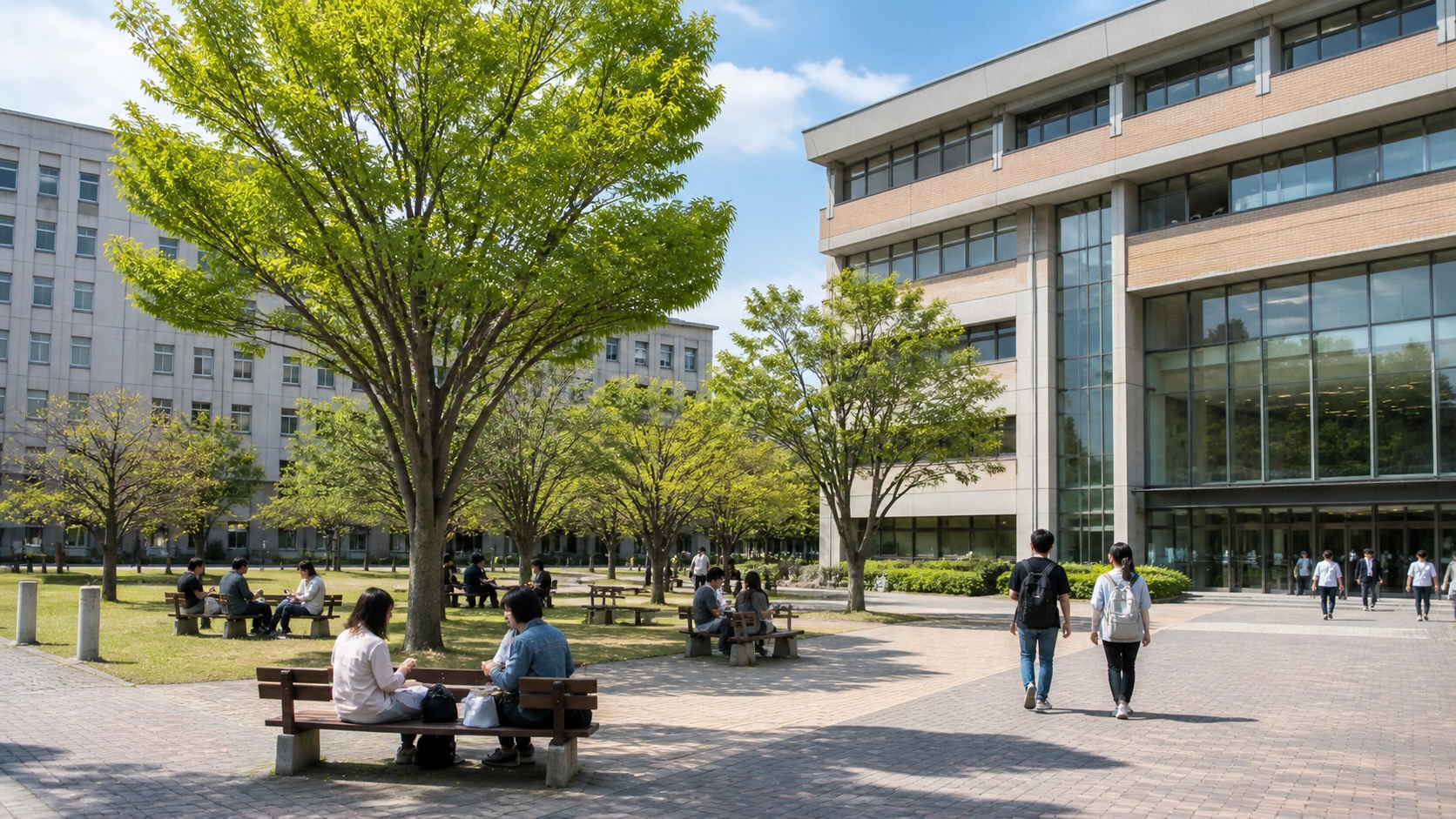
Applying to graduate school in Japan is not only about choosing a university name. International students often need to understand the difference between master's programs, doctoral programs, research student status, professor matching, entrance examinations, scholarships, and language requirements. The right path depends on your academic background, research field, target laboratory, funding plan, and long-term goals.
Quick summary
- Graduate school in Japan usually means master's, doctoral, or professional degree programs.
- Some students first enter as non-degree research students before taking a degree program entrance examination.
- In research-based fields, supervisor fit can be as important as the university name.
- Application procedures differ greatly by university, graduate school, program, and language track.
- Students should confirm admission requirements, funding, visa, housing, and language environment before applying.
Basic structure of graduate school in Japan
Japanese graduate schools generally include master's programs, doctoral programs, and professional degree programs. In many research fields, students belong to a graduate school, department, program, and laboratory or research group at the same time.
This structure can be unfamiliar to applicants from countries where admission is more centralized or course-based. In Japan, especially in science, engineering, medicine, agriculture, and many research-oriented humanities and social science fields, the relationship with a supervisor or laboratory can strongly shape daily academic life.
Therefore, choosing a graduate school is not only choosing an institution. It is also choosing a research environment, supervisor, language setting, funding route, and realistic path to degree completion.
Common degree routes
International students may enter Japanese graduate education through several routes. The most appropriate route depends on your current degree, target program, language ability, scholarship plan, and whether the university requires an entrance examination before degree enrollment.
| Route | Basic idea | What to check |
|---|---|---|
| Master's program | A degree program usually entered after completing a bachelor's degree or equivalent qualification. | Entrance exam, application documents, supervisor contact, language requirements, and whether the program is taught in English or Japanese. |
| Doctoral program | A research degree route usually entered after a master's degree or equivalent qualification. | Research fit, funding, supervisor capacity, publication expectations, and degree completion requirements. |
| Research student | A non-degree status used in some cases before entering a master's or doctoral program. | Whether it is required or recommended, duration, fees, visa status, entrance exam timing, and whether it leads realistically to degree admission. |
| English-taught program | A program where coursework and/or research supervision may be available in English. | Actual language used in the lab, required English scores, Japanese support, and administrative language environment. |
What is a research student?
The term "research student" can be confusing. In Japan, a research student is often a non-degree student who conducts research under a professor's supervision for a limited period. This status may be used before entering a formal degree program.
For some international students, becoming a research student first can provide time to adapt to a Japanese laboratory, prepare for entrance examinations, improve language ability, and confirm research fit. However, it is not the same as being admitted to a master's or doctoral degree program.
Important note
Research student status does not automatically guarantee later admission to a degree program. Before choosing this route, confirm the entrance examination schedule, degree program requirements, tuition or fees, scholarship conditions, visa status, and the professor's expectations.
Why supervisor fit matters
In many Japanese graduate programs, especially research-based programs, your supervisor and laboratory can strongly influence your daily research life. The professor may guide your research theme, laboratory training, publication direction, degree progress, and future academic or career network.
Applicants should therefore check not only the professor's title and university, but also the actual research direction of the laboratory. Reading recent papers, laboratory news, student thesis topics, and available equipment or methods can help you judge whether the laboratory is a realistic fit.
Questions to ask yourself
- Does the professor's recent research match my proposed topic?
- Do I understand the methods, materials, theories, or datasets used in the lab?
- Can I explain clearly why this laboratory is relevant to my goals?
- Does the laboratory appear to accept international students?
- Is the language environment realistic for me?
- Do I understand the difference between admission to the university and acceptance by a supervisor?
For advice on the first email to a professor, see: How to Contact a Japanese Professor Before Applying.
Admission procedures can vary widely
There is no single graduate school application system that covers all Japanese universities. Each university, graduate school, department, and program may have its own schedule, eligibility rules, required documents, examination method, language requirements, and supervisor contact policy.
Some programs are designed for international applicants and may accept applications before arrival in Japan. Other programs may require written examinations, interviews, Japanese-language documents, or entrance examinations held in Japan. Some programs may expect students to contact a professor before applying, while others may have a more centralized procedure.
Common admission elements
- Application form
- Academic transcripts
- Certificate of graduation or expected graduation
- Research plan or statement of purpose
- Recommendation letters
- Language test scores, if required
- Written examination, interview, or oral examination
- Supervisor approval or laboratory matching, depending on the program
English, Japanese, and the real language environment
Some Japanese graduate programs are available in English, and many laboratories can supervise international students in English, especially in science and engineering. However, the language environment can still differ between coursework, laboratory meetings, administrative procedures, daily life, and part-time work.
Even if a program is officially English-taught, students may still encounter Japanese documents, university notices, housing procedures, municipal office procedures, and everyday communication. Basic Japanese ability is not always required for admission, but it can make life and research much easier.
| Situation | Possible language issue | What to check |
|---|---|---|
| Coursework | Classes may be in English, Japanese, or mixed. | Check the program curriculum and language of instruction. |
| Laboratory life | Daily discussion may depend on the professor and lab members. | Ask about lab meeting language and international student support. |
| Administration | Forms and notices may be partly in Japanese. | Check whether the graduate school has English support. |
| Daily life | Housing, banking, city hall, and medical services often require Japanese. | Prepare basic Japanese or identify support resources before arrival. |
Funding and scholarships
Funding is one of the most important practical questions. Graduate students may rely on scholarships, family support, personal savings, part-time work, research assistantships, teaching assistantships, or other support depending on the university and program.
MEXT is one well-known scholarship option, but it is not the only source of funding. Some universities offer their own scholarships or tuition reductions, while other financial support may be competitive or limited.
For a basic introduction to MEXT, see: MEXT Scholarship Basics for Prospective Graduate Students.
Funding points to confirm
- Tuition and admission fees
- Scholarship amount and duration
- Whether the scholarship covers research student status or only degree enrollment
- Living costs in the city or region
- Housing deposit, rent, and moving costs
- Health insurance and pension obligations
- Rules for part-time work under your visa status
How to choose a program
Ranking and university reputation matter, but they should not be the only criteria. A good graduate school choice should be academically suitable, financially realistic, administratively feasible, and personally sustainable.
If you are choosing between several programs, compare them using the same criteria. This will help you avoid choosing based only on a famous university name or a single attractive website.
| Criterion | Why it matters |
|---|---|
| Research fit | Your supervisor and laboratory will strongly affect your research progress. |
| Admission route | Some routes require entrance exams, professor contact, or research student status. |
| Language environment | Official program language may not fully reflect daily lab and administrative life. |
| Funding | Tuition, living costs, and scholarship duration can affect whether the plan is realistic. |
| Location | Cost of living, housing availability, transportation, and lifestyle differ by city. |
| Career path | Consider whether the program supports academic, industry, or international career goals. |
A practical preparation timeline
Good preparation usually begins long before the application deadline. Graduate school applications can involve documents, recommendation letters, research plans, professor contact, language tests, scholarship applications, and sometimes entrance examinations.
| Timing | Recommended preparation |
|---|---|
| 12 months or more before enrollment | Research universities, laboratories, scholarship routes, degree programs, and language requirements. |
| 6-12 months before application | Prepare a CV, research plan, transcripts, language scores, and a list of possible supervisors. |
| 3-6 months before deadline | Contact professors if appropriate, request recommendation letters, and confirm official guidelines. |
| 1-3 months before deadline | Finalize documents, check formatting, confirm submission method, and prepare for interviews or exams. |
| After acceptance | Prepare visa documents, housing, health insurance, travel, and arrival procedures. |
Common mistakes
- Choosing only by university name: A famous university is not enough if the laboratory or program does not fit your research.
- Confusing research student status with degree admission: These can be different stages.
- Ignoring language reality: English-taught programs may still involve Japanese administrative and daily-life tasks.
- Contacting professors with generic emails: A copied message usually weakens your application impression.
- Starting too late: Research plans, recommendation letters, transcripts, and scholarships take time.
- Assuming funding will appear later: You should understand tuition, living costs, and scholarship duration before applying.
Final checklist before applying
- Have you identified the correct degree route: master's, doctoral, or research student?
- Have you checked whether professor contact is required or recommended?
- Have you read the latest official admission guidelines?
- Have you confirmed the language of coursework, lab meetings, and administration?
- Have you prepared a realistic research plan?
- Have you checked tuition, living costs, and scholarship options?
- Have you confirmed the application deadline and submission method?
- Have you considered whether the program supports your long-term academic or professional goals?
Important note
Graduate school admission procedures in Japan vary widely by university, graduate school, program, route, and year. This article provides general information only. Always confirm details with the official admissions guidelines of your target university and graduate school.
Useful official sources
Start from official or university-provided sources. Then confirm details directly with your target graduate school, department, or admissions office.
- Study in Japan: Graduate Schools
- JASSO: Study in Japan
- Study in Japan: MEXT Scholarships
- Your target university's graduate admissions page
- Your target laboratory or professor's official website
Read next